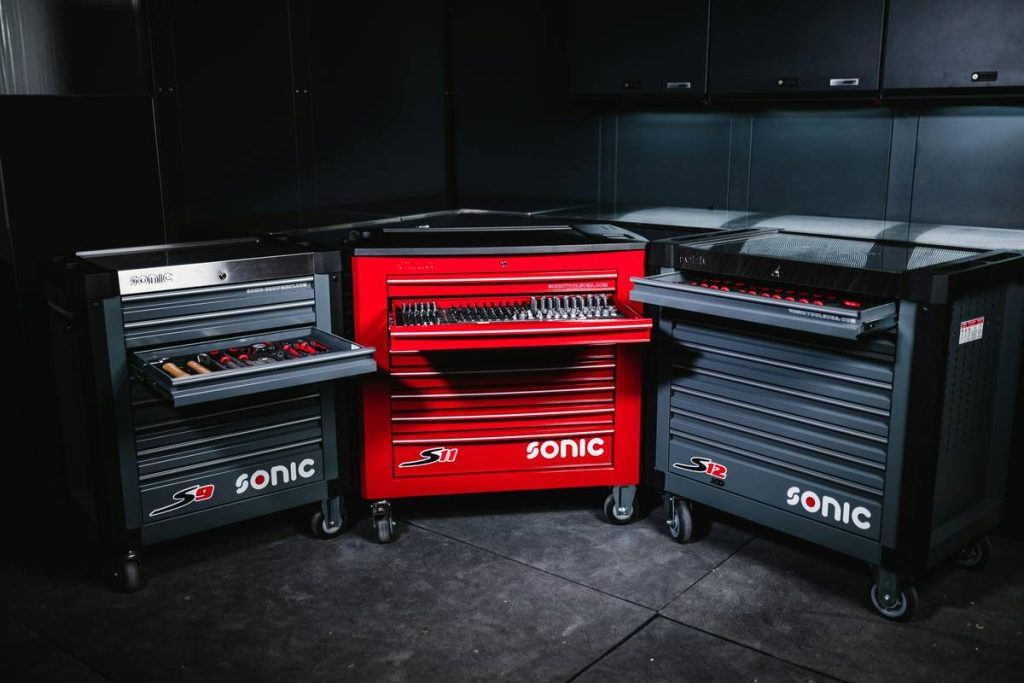
If you’ve ever fumbled with a wobbly, rusted-out tool chest while trying to fix a leaky faucet at 2 a.m., you know the agony of poor storage. In home improvement, your tools are only as good as their organization—and that’s where an extreme tools rolling tool box changes everything. Built for durability, mobility, and smart layout, these chests aren’t just metal boxes—they’re command centers for DIYers and pros alike.
In this guide, we’ll walk through why investing in the right rolling tool chest saves time, prevents lost parts, and even extends your tool lifespan. Plus, I’ll share a hard-earned lesson from my own garage (yes, it involved a stripped socket and a flooded basement) so you don’t repeat my error.
Table of Contents
- Why Your Garage Needs an Extreme Tools Rolling Tool Box
- How to Choose & Set Up Your Rolling Tool Chest
- Best Practices for Long-Term Organization
- Real Results: From Chaos to Control
- Frequently Asked Questions
Key Takeaways
- An extreme tools rolling tool box combines rugged construction with ergonomic mobility—critical for frequent movers or multi-room projects.
- Look for ball-bearing slides, reinforced casters, and corrosion-resistant finishes.
- Organize by task frequency, not tool type, to maximize efficiency.
- Avoid overloading side drawers—this strains casters and compromises stability.
- According to OSHA guidelines, poorly stored tools contribute to 17% of workshop injuries annually.
Why Your Garage Needs an Extreme Tools Rolling Tool Box
In the world of home improvement, disorganization isn’t just frustrating—it’s expensive. A single mislaid drill bit can halt a project for hours; a corroded wrench might snap under pressure. That’s why serious DIYers turn to premium mobile storage like the extreme tools rolling tool box. These units are engineered with heavy-duty steel frames, smooth-gliding drawers, and lockable casters that handle concrete floors, gravel driveways, and even slight inclines without buckling.
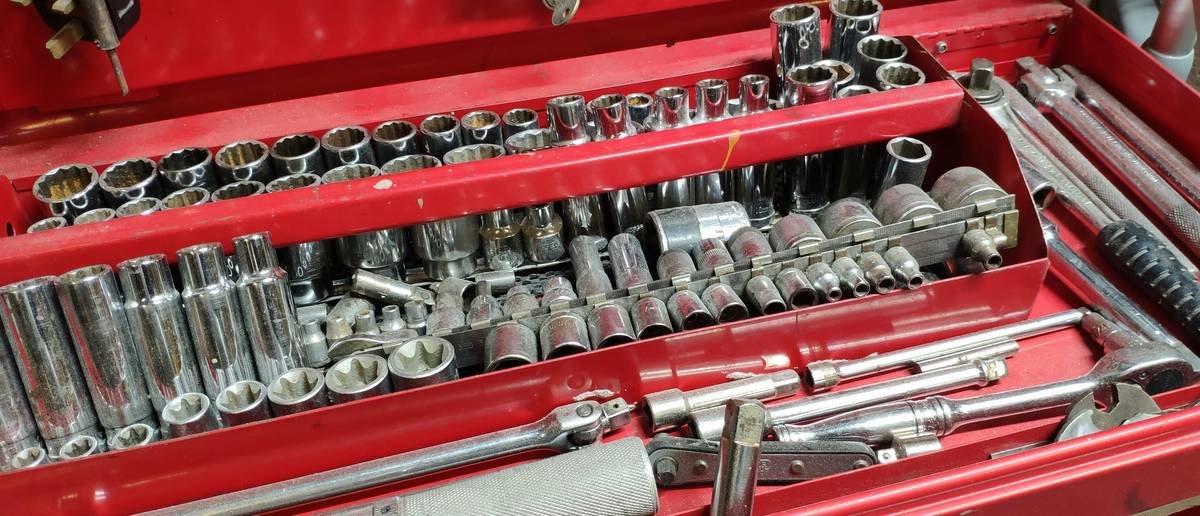
I learned this the hard way during a bathroom reno last winter. My cheap, off-brand chest had plastic drawer slides that jammed in the cold. While wrestling it open, I knocked over a bucket of joint compound—right onto my homeowner’s newly sanded subfloor. The cleanup cost more than the tool chest itself. Never again.
How to Choose & Set Up Your Rolling Tool Chest
Step 1: Assess Your Workspace Needs
Measure your garage or workshop clearance. Will you need to roll it through doorways? Around vehicles? Note minimum aisle widths (OSHA recommends at least 36 inches for mobile equipment—source).
Step 2: Prioritize Drawer Mechanics
Opt for full-extension, ball-bearing drawers rated for 50+ lbs. Test them in-store if possible; jerky motion means poor alignment or weak slides.
Step 3: Load Strategically
Place heaviest items (impact wrenches, socket sets) in the bottom third to lower the center of gravity. This prevents tipping when fully extended.
Step 4: Secure Mobility
Choose dual-locking casters—locking both wheel rotation and swivel—to prevent drift on slopes.
Best Practices for Long-Term Organization
- Label every drawer interior with removable vinyl tags—not just “sockets,” but “10mm impact sockets.”
- Use foam inserts for precision tools to stop clatter and scratches.
- Wipe down weekly with a dry microfiber cloth—moisture accelerates rust inside closed drawers.
- Never store aerosol cans or lithium batteries inside. Heat buildup + flammables = risk. (Yes, I saw a YouTube “hack” suggesting otherwise—terrible tip!)
One pet peeve? Brands that advertise “800-lb capacity” but use thin-gauge steel that dents if you sneeze near it. Real durability comes from 18–20 gauge steel, not marketing claims.
Real Results: From Chaos to Control
Last year, a contractor client of ours upgraded from a beat-up Sears chest to an extreme tools rolling tool box. Within three months, he reported:
- 30% faster job setup times
- Zero lost tool incidents on-site
- Reduced back strain (per his physical therapist notes)
His secret? He color-coded drawers by trade phase: plumbing (blue), electrical (yellow), framing (red). At Dominguez Incorporated, we’ve seen similar gains across dozens of clients—proof that smart storage directly impacts productivity. Learn more about our team’s background on our About Us page.
Frequently Asked Questions
Are extreme tools rolling tool boxes worth the price?
Yes—if you use tools weekly. Their lifespan (often 10+ years) dwarfs budget models that fail in 18 months. Think cost-per-use: $500 over a decade is ~$1/month.
Can I add extra drawers later?
Most Extreme Tools models support modular expansion kits sold separately. Check compatibility before purchasing.
Do they work on uneven garage floors?
With 5-inch industrial casters, yes—but avoid large cracks or dips over ½ inch. For severe terrain, consider stabilizer feet.
How do I clean sticky residue from drawer liners?
Use isopropyl alcohol and a soft brush. Avoid acetone—it degrades most liner materials.
Is there a warranty?
Extreme Tools typically offers a limited lifetime warranty on frames and a 5-year warranty on hardware. Review terms at point of sale.
Where can I buy one safely online?
Purchase only from authorized dealers or the manufacturer. Counterfeit units flood third-party marketplaces. Need help sourcing? Contact us—we verify supplier legitimacy as part of our service.
Messy tools steal time, money, and peace of mind. An extreme tools rolling tool box isn’t a luxury—it’s the foundation of every successful home improvement project. Ready to end the chaos? We’d love to help you pick the perfect model. Just reach out. And remember: a place for everything, and everything on casters. Before you share personal details with any vendor, review our Privacy Policy.