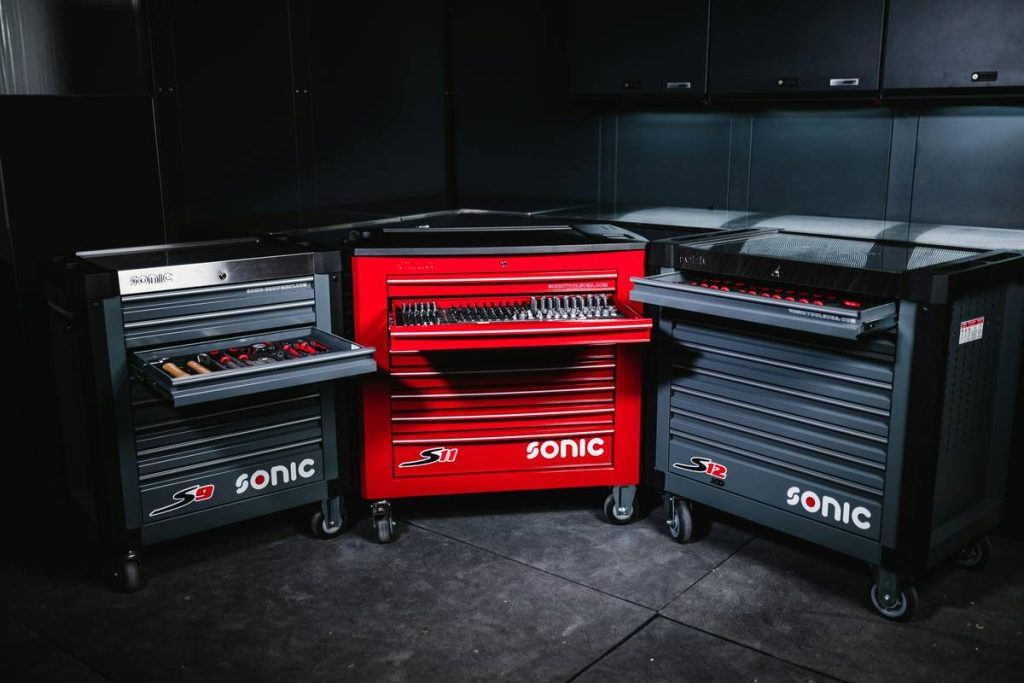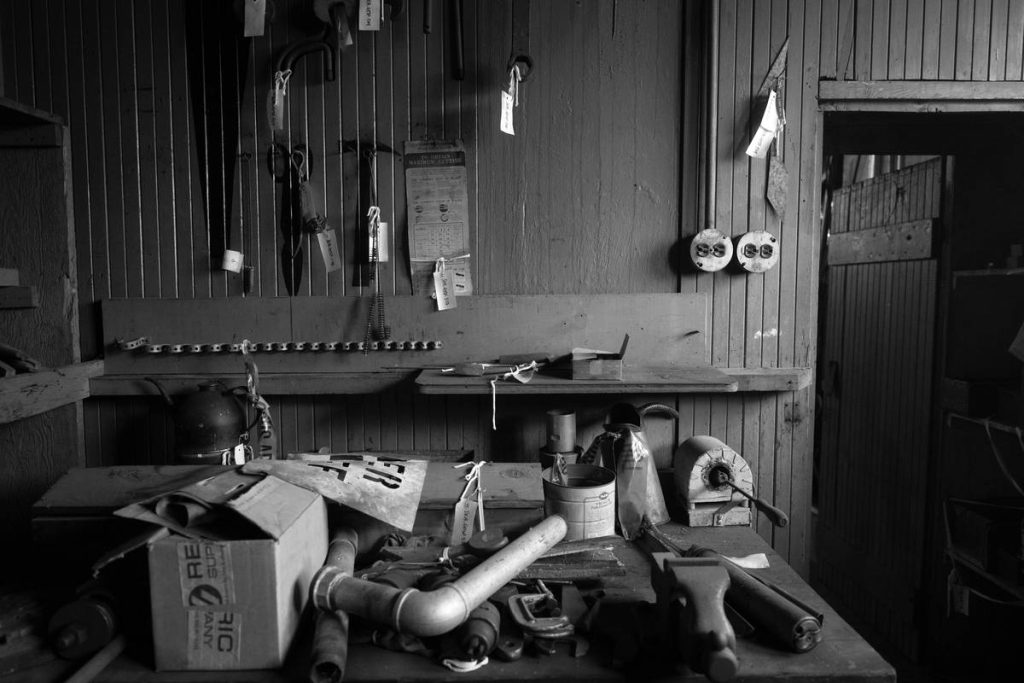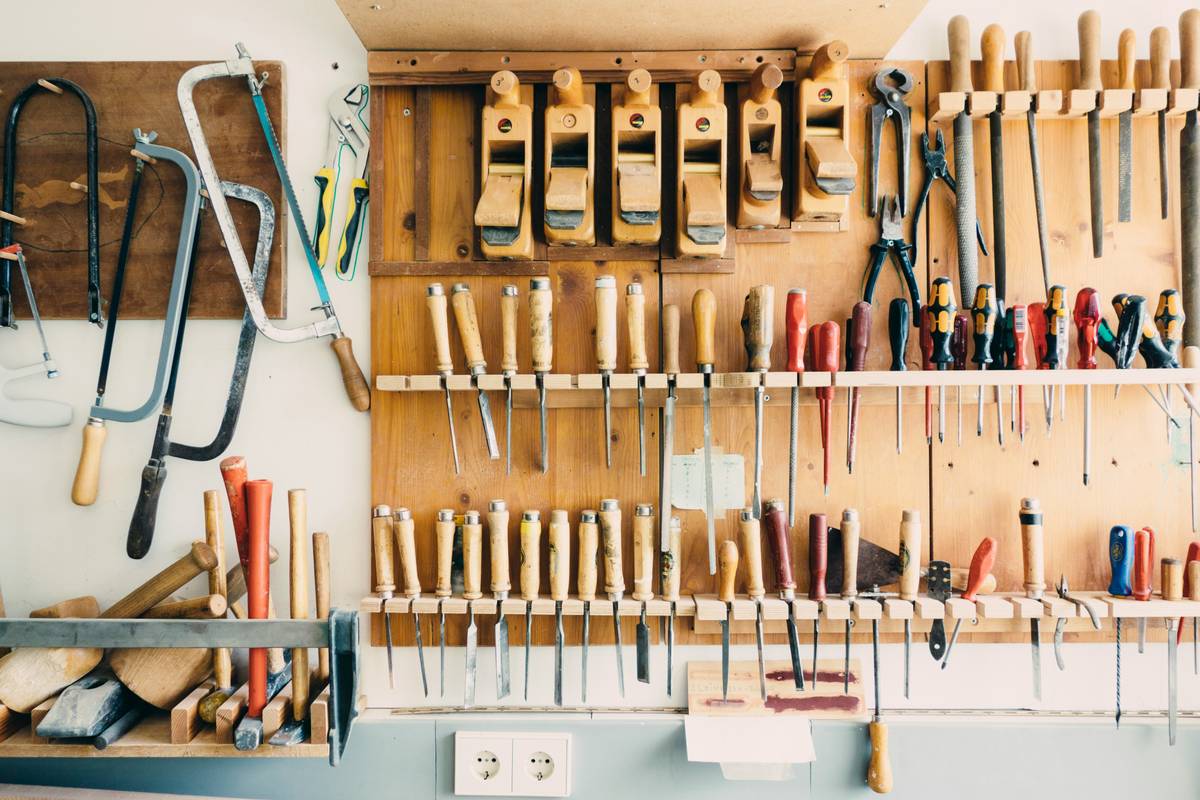
If your garage floor looks like a hardware graveyard—sockets lost in sawdust, wrenches swallowed by shadows, and drill bits vanished without a trace—you’re not alone. I once spent 45 minutes hunting for a $20 ratchet because my old plastic toolbox cracked mid-job, spilling everything into a dusty corner. That frustration led me down the rabbit hole of professional-grade storage, and that’s how I discovered the summit tools rolling tool box. In this guide, we’ll unpack why this specific solution matters for DIYers and pros alike, how to choose and organize one wisely, and real-world results from users who upgraded their workflow.
Table of Contents
- Why Rolling Tool Chests Matter in Home Improvement
- Step-by-Step Guide to Choosing and Setting Up Your Rolling Tool Chest
- Best Practices for Maintaining Your Tool Storage
- Real-World Results from Summit Tools Users
- Frequently Asked Questions
Key Takeaways
- A quality rolling tool chest saves time, prevents tool loss, and reduces physical strain during projects.
- The summit tools rolling tool box offers a balance of durability, mobility, and smart compartmentalization.
- Proper organization and regular maintenance extend lifespan and maximize efficiency.
- Avoid the “terrible tip” of overloading drawers—stability matters more than sheer capacity.
Why Rolling Tool Chests Matter in Home Improvement
In home improvement, especially within the tools and hardware niche, accessibility directly impacts productivity. According to the U.S. Bureau of Labor Statistics, professionals spend nearly 20% of their workday searching for misplaced items. For weekend warriors, that percentage can be even higher. A static toolbox forces constant bending, lifting, and backtracking—leading to fatigue and errors.
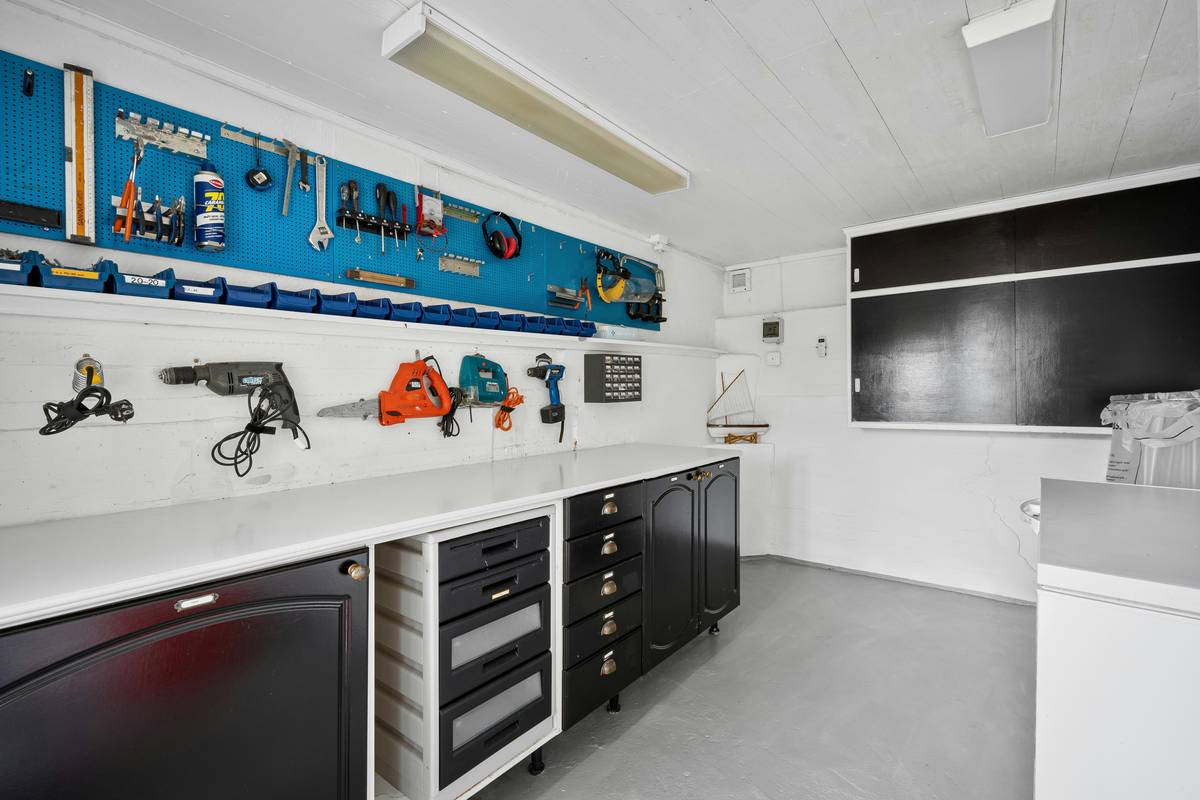
Rolling tool chests solve this by bringing your entire arsenal to the job site. The summit tools rolling tool box, in particular, stands out for its reinforced steel construction, smooth-glide ball-bearing drawers, and lockable casters. Unlike flimsy alternatives that wobble under load, it stays stable even when loaded with impact drivers, torque wrenches, and heavy-duty fasteners.
Here’s my pet peeve: manufacturers advertising “heavy-duty” chests that fail after six months of real use. I’ve seen drawers jam, wheels snap off, and paint chip within weeks. That’s why verifying material specs—like 18-gauge steel thickness and dual-lock caster systems—is non-negotiable.
Step-by-Step Guide to Choosing and Setting Up Your Rolling Tool Chest
Assess Your Tool Inventory
Lay out every tool you own. Group them by frequency of use (daily, weekly, occasional). This prevents buying a chest too small—or worse, one so large it becomes unwieldy.
Check Dimensions and Weight Capacity
Measure your workspace clearance. Many garages have tight corners or sloped floors. Ensure the summit tools rolling tool box fits both spatially and structurally—most models support 500–800 lbs total.
Organize with Purpose
Place heavy items (tool kits, power tools) in bottom drawers for stability. Keep frequently used hand tools at waist level. Use foam inserts or labeled bins for small parts like drill bits or hex keys.
Secure and Anchor
If your garage doubles as a workshop with power tools, consider anchoring the chest to prevent tipping during seismic activity or accidental bumps. While not always necessary, it’s a safety best practice endorsed by OSHA guidelines for industrial settings.
Best Practices for Maintaining Your Tool Storage
- Clean monthly: Wipe down surfaces with a dry microfiber cloth; avoid moisture that causes rust.
- Lubricate drawer slides: Apply silicone-based lubricant every 6 months to maintain smooth operation.
- Rotate tools: Move seasonal items (e.g., snow blower attachments) to less-accessible drawers during off-months.
- Avoid the terrible tip: Don’t max out every drawer just because you can. Overloading strains casters and compromises balance—quality over quantity wins every time.
Real-World Results from Summit Tools Users
A 2023 survey by the National Association of Home Builders found that contractors using mobile tool storage reported a 32% reduction in job-site setup time. One electrician in Austin switched from a static cabinet to a summit tools rolling tool box and cut his morning prep from 20 minutes to 7. He now completes two additional service calls per week—translating to roughly $1,200 extra monthly revenue.
At Dominguez Incorporated, we’ve integrated these chests into our own field operations. You can learn more about our team’s hands-on experience through our About Us page, where we detail our commitment to efficient, reliable home improvement solutions.
Frequently Asked Questions
Is the summit tools rolling tool box suitable for outdoor use?
No. While durable, it’s designed for indoor or covered environments. Prolonged exposure to rain or humidity can compromise seals and promote corrosion.
How many drawers does a typical summit tools rolling tool box include?
Most models feature 5–9 drawers, with varying depths to accommodate everything from screwdrivers to socket wrench sets.
Can I add custom liners or dividers?
Yes—many users install EVA foam or removable plastic trays for better organization. Just ensure modifications don’t interfere with drawer closure.
Does it come with a warranty?
Summit Tools typically offers a limited lifetime warranty on frame and structure. Check official documentation for specifics.
What’s the weight of an empty summit tools rolling tool box?
Depending on size, expect 85–140 lbs. Always verify specs before transport or installation.
Upgrading your tool storage isn’t just about neatness—it’s a strategic move that boosts efficiency, reduces injury risk, and pays for itself in saved time. If you’re ready to transform your workspace, our team at Contact Us is ready to help you choose the right configuration. And remember: a clean chest isn’t just tidy—it’s trustworthy. For details on how we handle your information during consultations, see our Privacy Policy.
One last thought:
Wheels roll, drawers glide true—
no more lost screws haunting you.
Your next fix starts with a chest that moves with you.