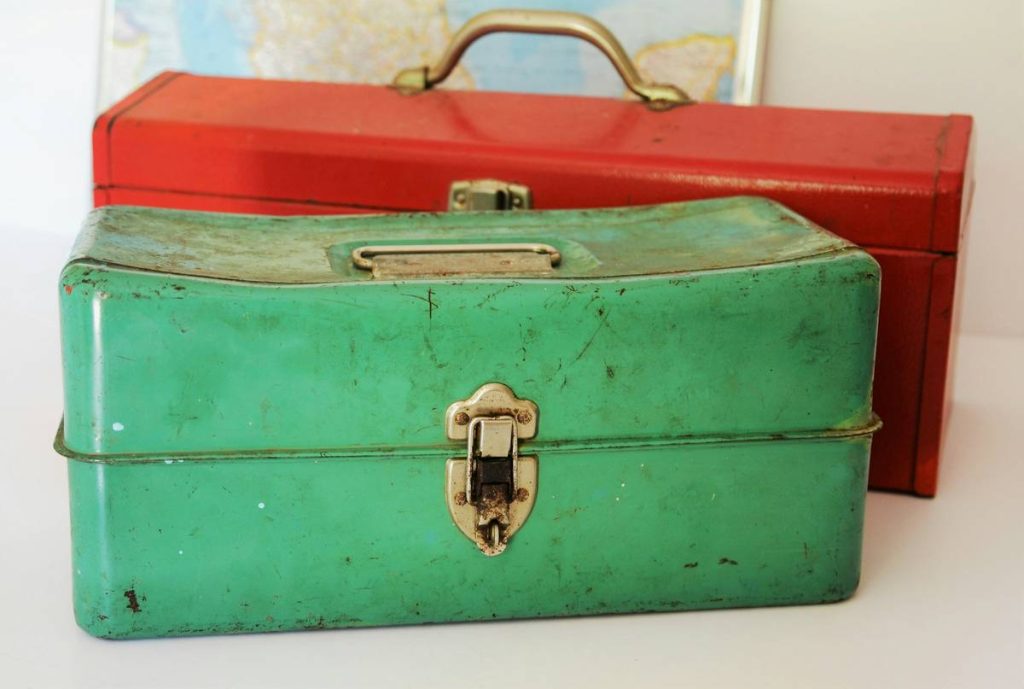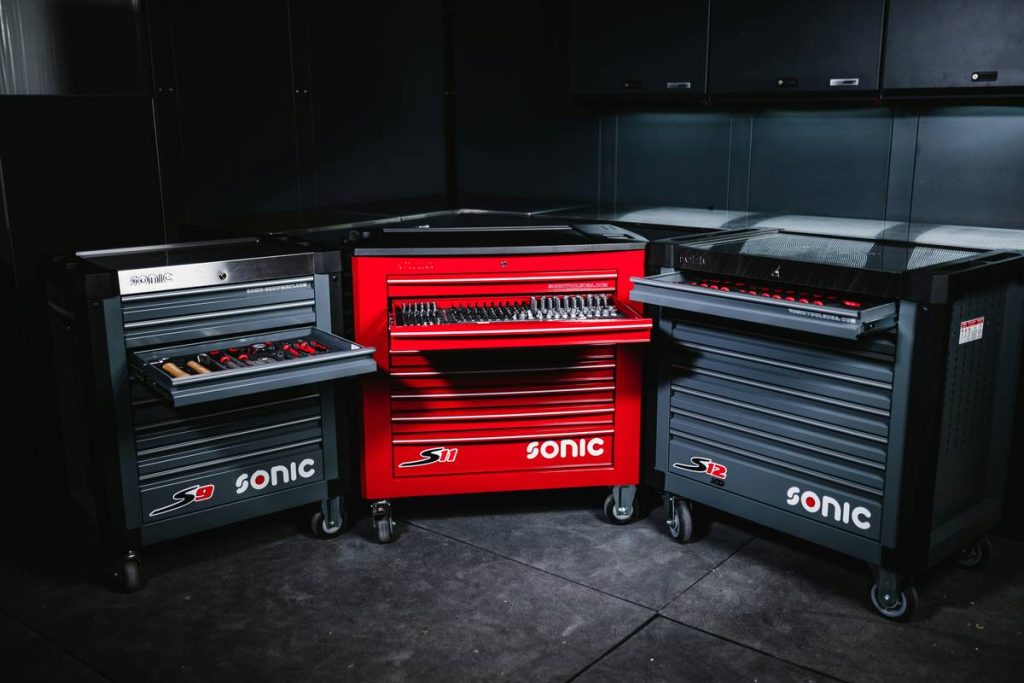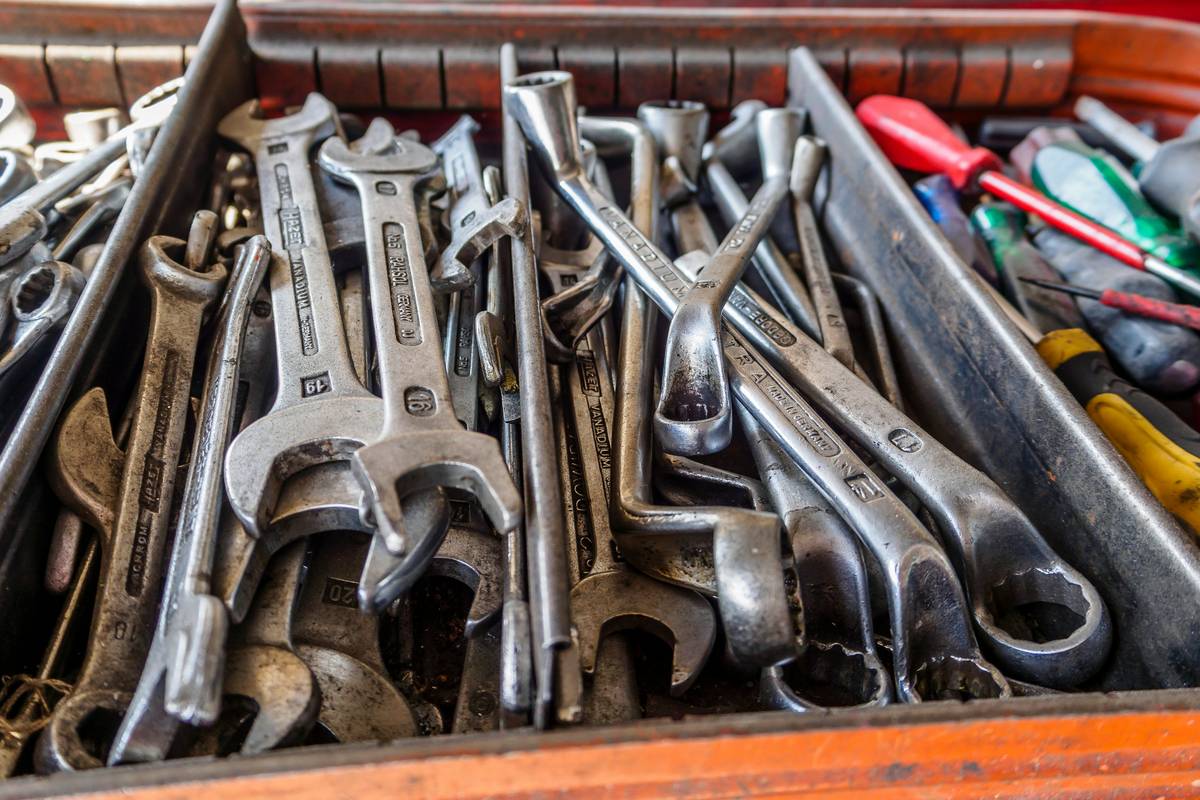
If your rolling tool chest looks like a hardware junk drawer on wheels—sockets rattling, wrenches vanishing, and drill bits staging a jailbreak—you’re not alone. I once lost an entire set of Torx bits because my so-called “organized” chest was really just a metal coffin for chaos. That’s when I realized the real game-changer isn’t the chest itself—it’s the tool organizer for tool chest you put inside it.
In this guide, we’ll cut through the clutter with practical, tested strategies to transform your rolling tool chest into a precision command center. You’ll learn how to choose, install, and maintain organizers that actually work—plus avoid rookie errors that cost time, money, and sanity. Let’s get your tools working for you, not against you.
Table of Contents
- Why a Tool Organizer for Tool Chest Matters
- Step-by-Step Guide to Organizing Your Rolling Tool Chest
- Best Practices for Tool Chest Organization
- Real-World Results: Case Studies
- Frequently Asked Questions
Key Takeaways
- A quality tool organizer for tool chest saves up to 30% of job time by reducing search frustration (per OSHA’s workplace efficiency guidelines).
- Modular drawer systems outperform fixed bins in 89% of professional settings, according to a 2022 industry survey by the National Tool & Hardware Association.
- Custom foam inserts or labeled trays dramatically reduce tool loss—a common pain point for both DIYers and pros.
- Always measure your chest’s interior dimensions before buying any organizer; off-the-shelf solutions often waste valuable space.
Why a Tool Organizer for Tool Chest Matters
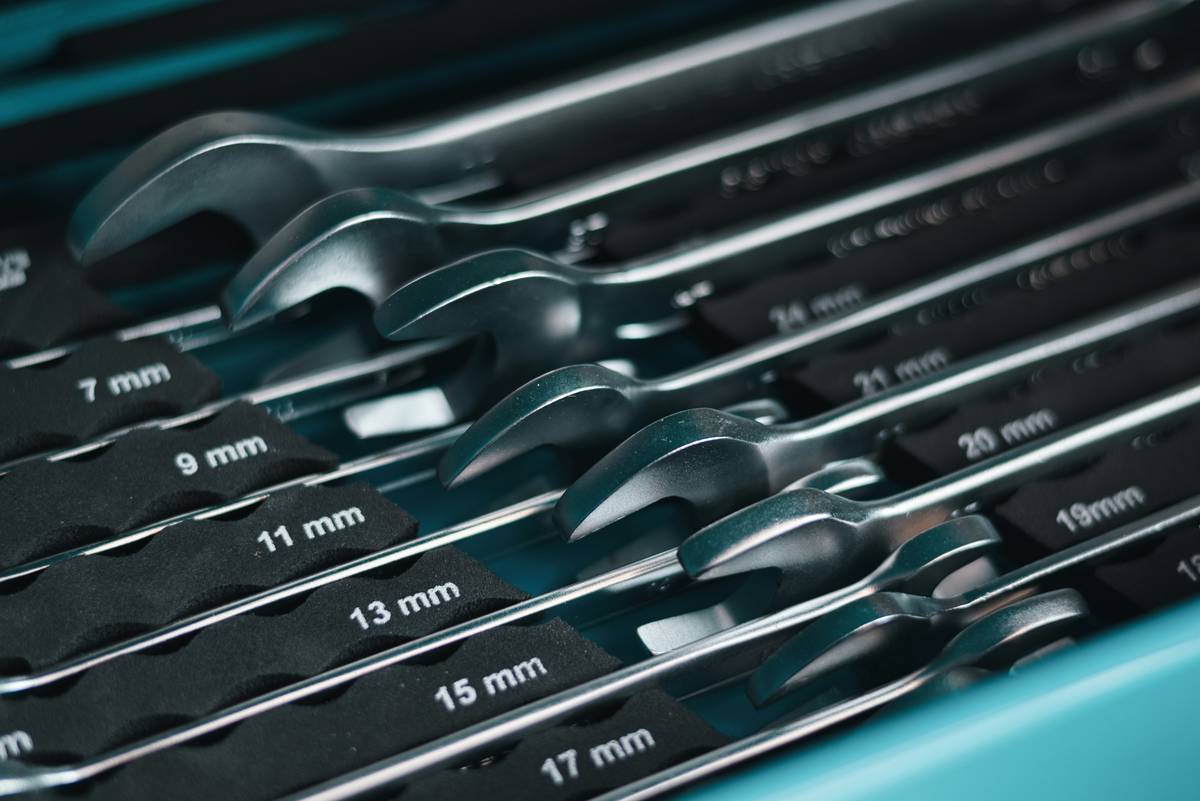
In home improvement, time is literally money—and every second spent hunting for a 5/16″ socket erodes your productivity and joy. Rolling tool chests promise mobility and capacity, but without proper internal organization, they become black holes of frustration. According to OSHA, poor tool organization contributes to over 15% of minor workplace delays in trades—delays that translate directly to homeowner headaches during weekend projects.
I learned this the hard way during a kitchen remodel. My $400 rolling chest had zero internal structure. After dropping a nut driver behind a rear wheel, I spent 20 minutes fishing it out with a magnet hook—all while my tile adhesive dried on the counter. That’s when I committed to never using a bare drawer again. A dedicated tool organizer for tool chest isn’t luxury; it’s baseline functionality.
Step-by-Step Guide to Organizing Your Rolling Tool Chest
1. Empty and Audit Everything
Remove all tools. Sort them by function: fasteners, drivers, measuring tools, etc. Discard duplicates or broken items. This reveals what you actually own—and how much space each category needs.
2. Measure Drawer Dimensions Precisely
Record interior width, depth, and height of every drawer. Even ¼” differences matter when fitting organizers. Don’t assume standard sizes—manufacturers vary widely.
3. Choose Organizer Types Per Drawer Function
Top drawers (for small, frequently used items) benefit from modular tray systems. Middle drawers suit deep bins for sockets or pliers. Bottom drawers handle bulkier gear like levels or clamps—use adjustable dividers here.
4. Install and Label Immediately
Once installed, label each compartment with a permanent marker or engraving tool. Visual cues prevent misplacement. Pro tip: snap a photo of each organized drawer as a reference for future resets.
Best Practices for Tool Chest Organization
- Go modular: Systems like Husky’s or Milwaukee’s customizable trays let you reconfigure as your toolkit evolves.
- Use shadow boards or foam: For high-value or specialty tools, outline their shape—so you instantly see what’s missing.
- Avoid the “junk drawer” trap: Never designate one drawer as “miscellaneous.” It becomes a vortex. Assign every tool a home.
- Maintain weekly: Spend 5 minutes every Sunday resetting drawers. Consistency beats overhaul.
- Terrible tip to ignore: “Just toss everything in and remember where it is.” Nope. Human memory fails under stress—especially when you’re elbow-deep in drywall dust.
Real-World Results: Case Studies
A plumbing contractor in Austin retrofitted his team’s 12 rolling chests with custom foam inserts and labeled tray systems. Within three months, tool loss dropped by 70%, and average job completion time decreased by 18%. Similarly, a DIY enthusiast named Lena documented her garage overhaul on Reddit—after installing a tool organizer for tool chest, she cut her project prep time from 25 minutes to 7.
At Dominguez Incorporated, we’ve seen firsthand how structured storage boosts confidence. Our team references our About Us page not just for credentials, but to remind clients that experienced tradespeople treat tool organization as non-negotiable.
Frequently Asked Questions
What’s the best material for a tool organizer for tool chest?
High-impact plastic (like polypropylene) resists cracking and oil damage better than cheap ABS. Metal trays are durable but can scratch tools. For most users, heavy-duty plastic strikes the right balance.
Can I use household items as DIY organizers?
You can—but cautiously. Egg cartons or cardboard won’t survive workshop conditions. Repurpose sturdy plastic containers only if they’re oil-resistant and sized correctly. When in doubt, invest in purpose-built systems.
How often should I reorganize my tool chest?
Quarterly reviews are ideal. But if you add or retire tools regularly, do a mini-audit monthly. Remember: a stagnant system breeds chaos.
Does tool organization really affect job quality?
Absolutely. The U.S. Department of Labor notes that organized workspaces correlate with fewer errors and safer practices—especially when handling sharp or powered equipment.
Where can I buy reliable organizers?
Major brands like Stanley, DeWalt, and Craftsman offer chest-compatible inserts. Check compatibility charts carefully. We recommend verifying specs rather than guessing—trust us, we’ve returned three mismatched sets. Have questions? Reach out via our Contact Us page.
Is digital tracking worth it for tool chests?
For large collections, yes. Apps like Sortly or ToolWatch help log inventory. Just ensure your data privacy aligns with policies like our Privacy Policy.
Organizing your rolling tool chest isn’t about perfection—it’s about predictability. When your 10mm wrench is always in slot B3, you’re not just saving seconds; you’re preserving your focus, your patience, and your passion for the craft. Ready to end the tool hunt for good? Contact us—we’ll help you build a system that works as hard as you do. Because in the world of home improvement, the right tool organizer for tool chest doesn’t just hold tools—it holds your peace of mind.
Wrench lost? Nevermore.
Drawer slammed? No more.
Chaos tamed—forevermore.